







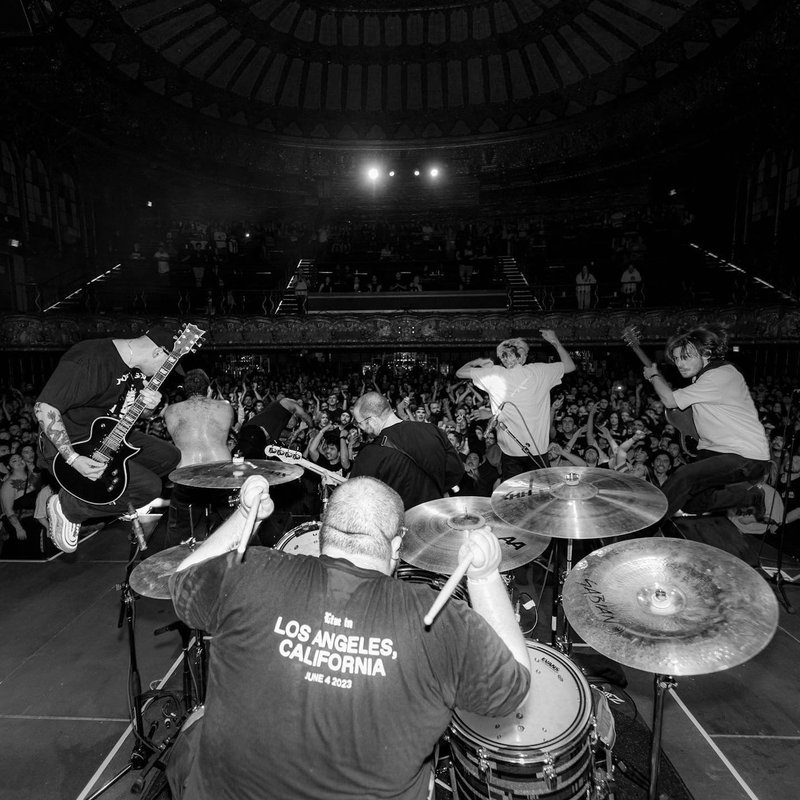
Why the Weekend Matters
When the clock hits 5 p.m. on Friday, most of us feel a surge of relief. The week’s grind has finally ended, and the prospect of a relaxed weekend looms. Yet, for many, that anticipation quickly turns into anxiety when the bills pile up. I’ve seen friends who plan a fancy dinner, then cancel because the budget is already tight. That’s why I started treating the weekend like a mini‑budgeting exercise: set a clear limit, track every penny, and watch the extra leisure hours multiply.
Set a Realistic “Leisure Fund”
Instead of a vague “I’ll spend a bit,” carve out a specific amount each week for weekend fun. I usually earmark £30 from my disposable income. That figure is small enough to feel manageable, yet large enough to cover a movie, a coffee, or a local attraction. Write it on a sticky note next to your bank app; seeing it daily reminds you that the money is already allocated.
Track Micro‑Spending
Many of us lose track of the tiny expenses that add up: a takeaway lunch, a late‑night snack, or an impulse buy at the shop. Use a free spreadsheet or a budgeting app to log every purchase. I noted that over two weeks, I spent £12 on unplanned coffee runs alone. Cutting that to £5 a week frees up £7 for a weekend outing.
Plan, Don’t Impulse
Once you know how much you can spend, plan your activities ahead of time. Make a list of free or low‑cost events: a community art walk, a local farmers’ market, or a free museum day. If you decide to splurge, choose one high‑value experience—like a concert ticket or a spa day—and let the rest of your leisure fund go untouched. The discipline of planning keeps the budget from bleeding into every corner of the week.
You could also explore casino titles online for a bit of excitement without breaking the bank.
Reinvest Savings into Quality Time
After you’ve tracked your spending, you’ll often find a surplus. Instead of putting that extra money into a savings jar, consider allocating it to a shared hobby or a group outing. I’ve taken a friend to a weekend music festival for £45—an amount that would have seemed steep if it came from my regular budget. By re‑allocating the savings, the weekend feels richer without stretching the wallet.
Mind the “Weekend Trap” of Online Entertainment
When the weekend is free, the temptation to dive into online gaming or streaming services can be strong. Setting a small, dedicated budget for digital leisure—say £10 for a streaming subscription or a gaming session—helps keep the habit in check. If you’re looking for a quick way to explore casino titles, this site can give you a quick overview without spending a dime.
Wrap‑Up: The Ripple Effect
Smart budgeting isn’t just about cutting costs; it’s about creating space for the things that truly matter. By setting a clear leisure fund, tracking micro‑spending, planning ahead, and reinvesting savings, you transform a week of stress into a weekend of choice. The result? More relaxed evenings, stronger social bonds, and the confidence that your finances are in control. Give it a try next Friday, and watch how a small budget shift can turn your weekend into a highlight reel of enjoyment.
Frequently Asked Questions
Why should I treat the weekend like a budget?
It helps prevent last‑minute spending spikes and keeps your finances steady throughout the month.
How can I set a realistic weekend limit?
Start by reviewing your monthly expenses, then allocate a fixed amount for all leisure activities.